

Regenerative and orthobiologic therapies give veterinarians additional options for managing certain joint and soft-tissue injuries in horses. These treatments use components derived from the patient’s own blood to concentrate naturally occurring platelets, proteins, growth factors, and other biological mediators involved in the body’s healing and inflammatory response. Jacksonville Equine Associates offers several regenerative and orthobiologic treatment options, including Platelet-Rich Plasma (PRP), ProVet® ACP, and Pro-Stride® APS.
Your veterinarian will recommend a treatment based on your horse’s diagnosis, the structure being treated, previous therapies, and individual needs.
Platelet-Rich Plasma (PRP)
Platelet-Rich Plasma, commonly called PRP, is produced from a sample of the horse’s own blood. The blood is processed to create a concentrated preparation containing platelets and associated growth factors.
PRP may be used as part of the treatment plan for certain:
-
Tendon and ligament injuries
-
Joint conditions
-
Bursal injuries
-
Other musculoskeletal and soft-tissue injuries
The concentrated preparation is administered directly to the affected area, often with ultrasound guidance when treating soft-tissue injuries. Rather than simply masking inflammation or discomfort, PRP is intended to support the biological environment involved in tissue repair and healing.
ProVet® APC
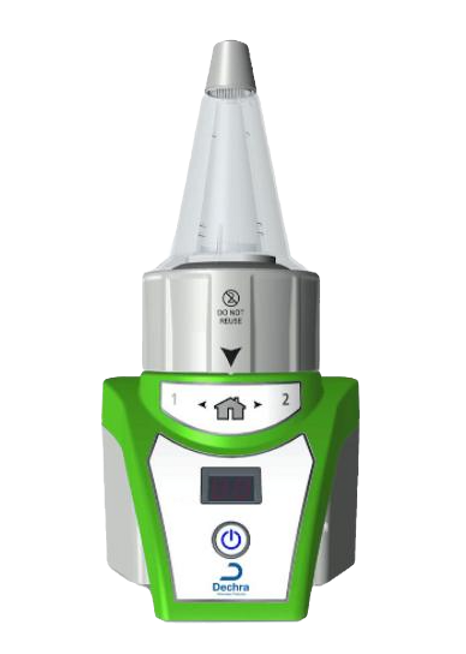
ProVet® APC (Autologous Platelet Concentrate) is a stall-side regenerative therapy prepared from your horse’s own blood. The system uses a portable centrifuge to concentrate platelets, growth factors, and anti-inflammatory proteins that can then be administered directly to the area being treated.
The entire collection and processing procedure can typically be completed stall-side in approximately 5–10 minutes, allowing treatment to be prepared and administered during the same appointment.
What to Expect
-
Blood Collection – Our veterinarian collects a small amount of blood from your horse.
-
Stall-Side Processing – The blood is placed into the ProVet® centrifuge, where a specialized multi-step centrifugation process separates the blood components and produces the autologous platelet concentrate.
-
Treatment – Once prepared, the concentrate is collected and administered to the affected joint or injured area as determined by your veterinarian. Ultrasound guidance may be used for certain soft-tissue treatments.
-
Aftercare – Your veterinarian will provide specific post-treatment and rehabilitation instructions based on the condition being treated. A short period of reduced activity is commonly recommended, but rest and return-to-work recommendations vary by injury and patient.
Why Stall-Side Processing Matters
Because ProVet® APC can be prepared using portable equipment, your horse's blood can be collected, processed, and administered during the same visit without sending the sample to an outside laboratory.
This makes regenerative treatment practical for both farm-call and haul-in patients while allowing our veterinarians to incorporate orthobiologic therapy into an individualized treatment and rehabilitation plan.



Pro-Stride® APS
Pro-Stride® APS (Autologous Protein Solution) is a stall-side, blood-derived treatment used to help manage joint inflammation, osteoarthritis, and associated lameness in horses. Pro-Stride is produced from your horse’s own blood and concentrates naturally occurring anti-inflammatory proteins, platelets, and growth factors. The resulting solution is injected directly into the affected joint to help regulate inflammation and improve comfort.
Unlike traditional corticosteroid joint injections, Pro-Stride is an autologous orthobiologic therapy, meaning the treatment is derived from the individual horse’s own blood.
How Pro-Stride® APS Is Prepared
The entire process can be performed stall-side and typically takes approximately 20 minutes from blood collection through processing.
-
Blood Collection – Our veterinarian collects blood from your horse and transfers it into the Pro-Stride APS Separator Device.
-
First Centrifugation – The blood is centrifuged to produce a platelet-rich plasma preparation.
-
APS Concentration – The platelet-rich plasma is transferred into the APS Concentrator Device and centrifuged again. This creates a concentrated Autologous Protein Solution (APS) containing naturally occurring anti-inflammatory proteins, platelets, and growth factors.
-
Joint Injection – The finished solution is collected and injected into the affected joint using appropriate sterile technique.
The entire treatment is prepared specifically for your horse during the appointment.
How Long Does Pro-Stride® Last?
One of the advantages of Pro-Stride is its potential for longer-lasting improvement following a single treatment.
Clinical research in horses with osteoarthritis has demonstrated improvement in lameness and joint-related pain following treatment, with benefits lasting for an extended period in some horses. However, every horse responds differently. The severity of joint disease, level of athletic activity, age, conformation, previous treatments, and rehabilitation program can all influence the duration and degree of improvement.
Your veterinarian can help determine whether Pro-Stride is appropriate for your horse and what results can reasonably be expected.
Aftercare Following Pro-Stride®
A brief period of reduced activity is commonly recommended following a joint injection.
Specific aftercare and return-to-work instructions will be determined by your veterinarian based on the joint treated, your horse’s diagnosis, and any additional procedures performed during the appointment.
Pro-Stride® for Performance Horses
Because medication regulations vary between USEF, FEI, racing organizations, and other governing bodies—and rules can change—owners of competition horses should always verify current medication and competition requirements before treatment or returning to competition.
Our veterinarians can discuss these considerations with you when developing your horse’s treatment plan.
Is Pro-Stride® Right for Your Horse?
Pro-Stride is not appropriate for every cause of lameness. A thorough lameness evaluation and appropriate diagnostic testing should be performed before deciding on treatment.
Depending on your horse, this may include diagnostic nerve or joint blocks, digital radiographs, ultrasonography, or other diagnostics to identify the source of pain.
Once a diagnosis has been established, our veterinarians can discuss whether Pro-Stride APS, PRP, ProVet® APC, traditional joint medications, or another treatment approach is most appropriate.